Leopard, Cheetah Print Digital Paper: A Wild Asset for Modern Design
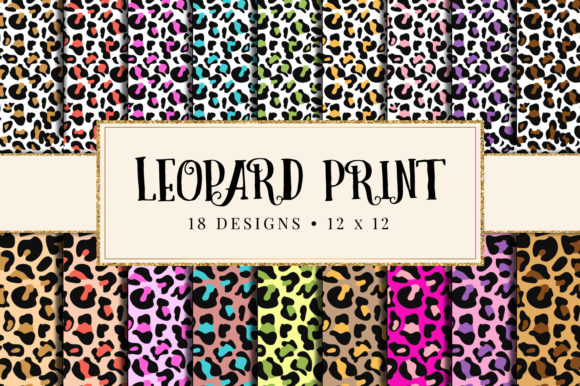
There's a certain energy that leopard and cheetah prints bring to a project. It's more than just a pattern; it's a statement of confidence, a touch of the exotic, and a nod to timeless style. For anyone in the creative space—from graphic designers and brand strategists to scrapbookers and DIY enthusiasts—having access to high-quality, versatile pattern resources is essential. This collection of leopard and cheetah print digital papers is exactly that: a set of 18 carefully curated design assets ready to inject personality and professional polish into your work. It’s not about following a fleeting trend, but about leveraging a classic visual language that consistently captures attention.
Understanding the Visual Language of Animal Prints
At its core, the appeal of leopard and cheetah print lies in its organic, irregular beauty. Unlike a geometric grid or a perfect stripe, these patterns mimic nature. The rosettes of a leopard or the solid spots of a cheetah have a fluidity that feels both luxurious and approachable. This collection offers a mix of different colorways, moving beyond the traditional tan and black to include modern interpretations. Think soft neutrals for a sophisticated, muted background, or bolder, more saturated hues for projects that demand to be seen. The high-resolution 300dpi files ensure that these textures remain crisp and detailed, whether they're scaled down for a business card or blown up for a poster. The inclusion of both PNG files with transparent backgrounds and JPEGs provides immense flexibility. The PNGs allow you to layer the pattern over other design elements seamlessly, while the JPEGs offer a ready-to-use, solid background.
This duality is what makes them a practical tool rather than just a decorative element. As a designer, I consider these types of patterns as foundational design assets. They function much like a premium font in a typographic system—they provide the primary character and tone around which other elements are arranged. A leopard print isn't just a background; it's a protagonist in your visual story. It can convey boldness, playfulness, or edgy sophistication, depending on its color, scale, and what you pair it with. Using it as a background for a social media graphic immediately establishes a specific mood before a single word is read.
Strategic Applications: Where This Pattern Truly Shines
The real power of this digital paper pack is unlocked when you move beyond generic use and apply it with strategic intent. Let's break down how different professionals can leverage these assets.
For Brand Identity and Marketing: A subtle leopard print texture can add depth to a brand's visual identity. Imagine it as a faint background on a website hero section, a textured overlay on a logo design, or the pattern on a product's packaging. For an entrepreneur in fashion, beauty, or lifestyle, this can instantly communicate a brand personality that's stylish and confident. When used consistently across touchpoints—from email headers to social media graphics—it builds strong brand recognition. It’s a way to weave a distinctive font or pattern into the very fabric of your brand identity, making your materials unmistakably yours.
For Editorial and Publishing: In editorial design, such as magazine layouts, book covers, or blog post featured images, animal prints serve as powerful visual anchors. A cheetah print border can frame a title, creating a dynamic focal point. As a background for pull quotes or sidebar information, it adds visual interest without overwhelming the primary content, especially when using a muted color variant. The key here is managing visual hierarchy. The pattern should support the content, not compete with it. Pairing it with a clean, strong sans serif font for body copy creates a beautiful contrast between the organic pattern and structured type, enhancing readability.
For Digital Content and Social Media: In the fast-scrolling world of social media, pattern grabs attention. These digital papers are perfect for creating eye-catching Instagram story backgrounds, Pinterest pin templates, or YouTube thumbnail textures. They add a layer of professionalism that a solid color often can't match. For content creators, using a consistent animal print theme can help define your channel's aesthetic, making your content instantly recognizable in a crowded feed. It’s a practical application of modern typography and design principles—using texture to create mood and stand out.
For Physical Crafts and DIY Projects: This is where the pack's utility shines for hobbyists. The 12x12 inch, 300dpi specifications are ideal for high-quality printing. Use the papers for scrapbooking layouts to add a fun, textured background to your photos. Print them on cardstock to create unique greeting cards, gift tags, or journal covers. For small business owners creating handmade goods, these prints can be used to design product labels, tissue paper, or shopping bags, adding a professional and cohesive touch to your packaging.
Practical Guidance for Seamless Integration
To get the most out of these leopard and cheetah print digital papers, a little planning goes a long way. First, consider your project's overall tone. Is it playful and loud, or refined and elegant? Choose a color variant from the pack that aligns with that goal. A high-contrast black and white version might feel more graphic and modern, while a classic tan palette leans into timeless luxury.
Next, think about font pairing. This is critical. Because the pattern itself is visually active, your typography needs to be deliberate. A bold display font or a stylish script font can work beautifully for headlines, creating a focal point that stands against the pattern. For any longer text, always opt for a highly legible serif font or sans serif font. Test your text over the pattern at the intended size to ensure it remains easy to read. Sometimes, placing a semi-transparent color block or a simple shape behind your text can improve clarity without sacrificing the background's impact.
Finally, remember the power of restraint. You don't need to use the pattern at full opacity or across an entire design. Using it as a subtle accent—a strip along the side, a background for a small element, or a texture within a shape—can often be more sophisticated and effective than a full-bleed application. The goal is to use this creative font and pattern resource to enhance your work, not overwhelm it. By thoughtfully integrating these high-quality assets, you can elevate your projects with a touch of wild sophistication that resonates with your audience.