Nautical Blue & White Stripes Pattern: A Timeless Coastal Design Asset
The Enduring Visual Language of the Sea
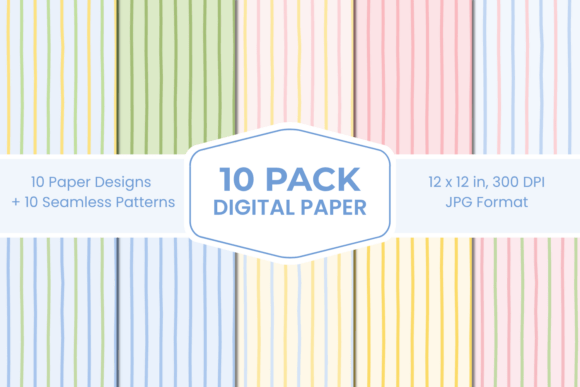
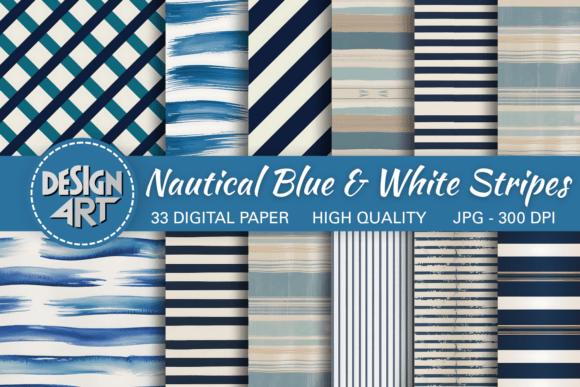
There’s an immediate recognition that comes with nautical blue and white stripes. It’s a pattern that speaks without words, evoking the horizon where the sky meets the ocean, the crispness of a sailor’s uniform, and the relaxed elegance of coastal living. This particular Nautical Blue & White Stripes Pattern pack captures that essence with clean, bold marine-blue stripes set against crisp white backgrounds. It’s not a noisy or overly complex design; its power lies in its simplicity and its deep roots in maritime history. The stripes are evenly spaced, creating a rhythm that is both structured and soothing. The color palette is classic—think of the deep, confident blue of the open sea paired with the bright, clean white of sea foam and sails. This combination feels inherently fresh, trustworthy, and perpetually stylish, making it a foundational element for countless creative projects.
As a design asset, this pattern’s personality is versatile. It can feel preppy and polished, casual and beachy, or bold and graphic, depending on the context and scale you choose. Its overall appeal is one of timeless coastal aesthetic. It doesn’t chase trends; it’s a perennial favorite that communicates clarity, openness, and a sense of adventure. For a designer or brand strategist, this is the kind of pattern that provides a reliable visual anchor, much like a serif font or a sans serif font in a typographic hierarchy. It grounds a design with a familiar, yet always effective, visual motif.
Practical Applications Across Creative Projects
Understanding where this pattern works best is key to leveraging its full potential. Its strength lies in its ability to adapt to both physical and digital realms, serving as a versatile piece of your creative toolkit.
For Branding and Marketing
In logo design and brand identity, a subtle stripe can add texture and depth without overwhelming the primary mark. Imagine a logo for a boutique coastal hotel, a seafood restaurant, or a high-end sailing brand where the pattern is used as a background on business cards or website headers. It immediately sets a specific tone. For packaging design, especially for summer foods, artisanal goods, or beach-themed products, these stripes create instant shelf appeal and communicate the product’s character before a word is read. In social media graphics, a striped background can make text and product photos pop, adding a professional and thematic layer to your visual content that enhances recognition.
For Publishing and Print
For editorial design, think of magazine layouts, blog post banners, or book covers for summer reads. The pattern can serve as a dynamic background for pull quotes or chapter dividers. In the world of KDP covers and self-publishing, a well-placed stripe can instantly signal a genre—cozy mystery by the shore, a memoir of sailing adventures, or a children’s book about a seaside town. For stationery, journals, and planners, it’s a natural fit, adding a touch of coastal elegance to everyday items. The seamless, tileable nature of these files means you can scale them for large-format prints like wall art or tablecloths without losing quality.
For Crafts and Digital Use
Crafters and hobbyists will find this pattern invaluable for scrapbooking, printable papers, and DIY projects. The high-resolution JPEGs are perfect for printing on fabric for summer tote bags, cushions, or quilting projects. Digitally, they are ideal for website backgrounds, digital planners, or as textures in web design. The key is that these aren’t just static images; they are fully editable assets. You can resize, rotate, or recolor them to match a specific palette, making them a flexible component in your design assets library.
Making the Pattern Work for Your Project
Simply having a great pattern isn’t enough. How you implement it determines its success in influencing readability, hierarchy, and brand perception.
Evaluating Fit and Scale: The first step is to assess if the nautical aesthetic aligns with your project’s core message. It’s perfect for themes of summer, travel, reliability, and freshness. Next, consider the scale of the stripes. Bold, wide stripes make a strong, graphic statement suitable for backgrounds or large prints. Thinner, more closely spaced stripes can read as a texture from a distance, adding sophistication to smaller applications like packaging sleeves or notebook covers.
Ensuring Readability and Hierarchy: When using the pattern as a background for text, contrast is critical. White text on the blue stripes can work if the font is bold and large enough, but for smaller body copy, it’s often safer to place a solid white or blue panel over the pattern where your text will sit. This maintains the visual hierarchy—the pattern sets the mood, and your content remains crystal clear. This is a fundamental principle of modern typography and layout design.
Strategic Pairings and Brand Consistency: This pattern pairs beautifully with a range of typographic styles. A clean sans serif font will emphasize the modern, graphic quality. A classic serif font can lend a more traditional, nautical feel. For a touch of whimsy, a script font or handwritten font can be used for headlines, but sparingly, to avoid competing with the pattern’s boldness. The goal is font pairing that complements, not clashes. Using this pattern consistently across your touchpoints—from your website to your packaging to your social media—builds strong brand recognition and reinforces a cohesive identity. It becomes a recognizable part of your visual language.
This collection of 33 seamless patterns provides a substantial range within the blue-and-white stripe theme, allowing you to vary the look while maintaining a consistent feel. It’s a practical, professional resource for anyone looking to harness the timeless appeal of the coast in their work. The pattern’s strength is its directness; it delivers a clear message of style and substance, making it a reliable partner for your creative vision.