Navy Blue and Red Plaid Digital Patterns for Patriotic Projects
A Staple for Seasonal and Everyday Design
There’s a reason plaid never goes out of style. It’s familiar, structured, and carries a certain warmth that instantly makes a design feel more grounded. The Navy Blue and Red Plaid Digital Patterns collection leans into that timeless appeal, offering a versatile set of designs that work across a surprising number of creative applications. Whether you’re building a brand identity around Americana aesthetics or simply need a reliable background for a holiday social media post, these patterns deliver without feeling overdone.
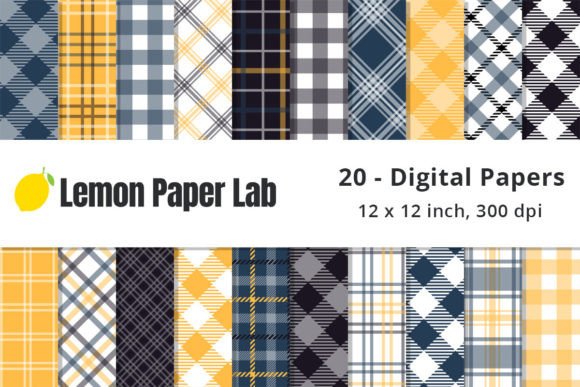
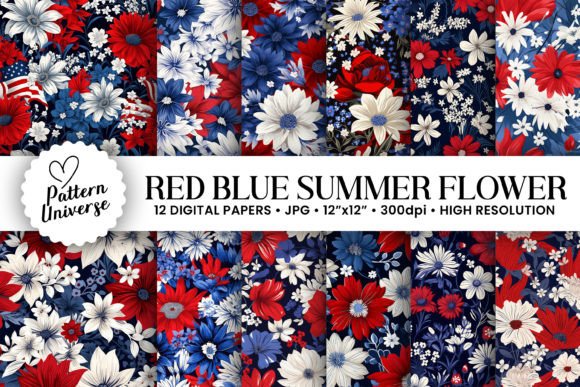
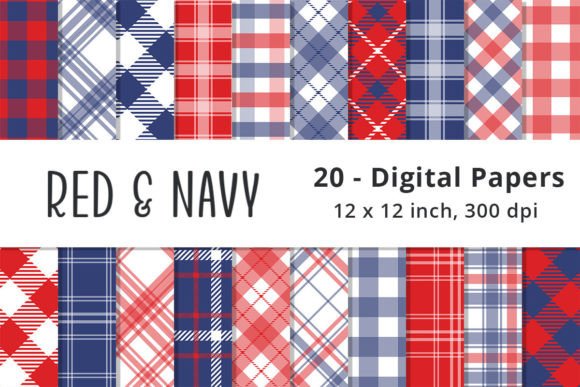
The collection includes 20 seamless digital files in JPG format, each sized at 12 x 12 inches and 300 dpi. That resolution is standard for print-ready projects, which means you can use these patterns for everything from digital scrapbook pages to physical product packaging without worrying about pixelation. The files are flattened raster graphics—not vector—so they’re best suited for projects where you won’t need to scale infinitely, but they’re more than capable for most print and digital needs.
What Makes These Patterns Work
The color palette here is intentionally patriotic: red, navy blue, and white. That combination isn’t just seasonal—it’s strategic. Red draws attention, navy blue anchors a design with authority, and white provides breathing room. Together, they create visual contrast that’s strong enough to stand out on a screen but balanced enough to avoid overwhelming a layout. The patterns themselves range from classic gingham and buffalo plaid to more minimal grid and two-tone striped lines, giving you options depending on the mood you’re after.
Buffalo plaid, for instance, tends to feel bold and rustic. It works well for outdoor brands, farm-to-table packaging, or event invitations with a casual, approachable vibe. Gingham is softer and more playful—think summer picnic themes, baby shower designs, or lifestyle blog headers. The grid and two-tone patterns are cleaner, leaning modern. They could easily serve as subtle backgrounds for website sections, presentation slides, or editorial layouts where you want texture without distraction.
Where These Patterns Fit Best
If you’re designing for Memorial Day or the 4th of July, these patterns are an obvious fit. But their usefulness extends well beyond holiday-specific projects. Small business owners selling on platforms like Etsy or Shopify often need consistent, professional-looking backgrounds for product mockups, tumbler wraps, or printable planners. These patterns check those boxes. They’re also practical for bloggers and content creators who need quick, cohesive visuals for Pinterest pins, Instagram stories, or newsletter headers without spending hours in design software.
Digital scrapbookers will appreciate the seamless tiling, which makes layering and repeating patterns straightforward. Journal and planner designers can use these as page backgrounds or decorative inserts. For print-on-demand businesses, the patterns offer a ready-made solution for items like notebook covers, tote bags, or greeting cards. The key is recognizing that plaid—especially in a controlled color palette—functions almost like a neutral. It adds interest without competing with typography or focal imagery.
Design Considerations and Practical Tips
When working with plaid patterns, context matters. A dense buffalo check might overwhelm a small business card but work beautifully as a full-page background. Conversely, a fine gingham could get lost on a large-format poster but shine as a subtle texture behind bold sans serif typography. Think about scale relative to your final output. At 300 dpi and 12 x 12 inches, these files are optimized for standard print sizes, but you can always crop or tile them for larger formats if needed.
Font pairing is another consideration. Plaid patterns already carry visual weight, so pairing them with clean, simple typefaces—whether a modern sans serif or a straightforward serif font—usually works better than layering on decorative scripts or handwritten fonts. If you’re using these patterns in branding, test how your logo sits against them. A strong, minimal wordmark can anchor a busy plaid background, while more intricate logos might need a simpler pattern variant to avoid visual clutter.
For those working in digital spaces, remember that JPG files are lossy compressed, which means they’re lightweight and web-friendly but not ideal for projects requiring transparency. If you need to isolate elements or layer these patterns with other graphics, you’ll likely need to work in a design application that supports masking or adjustment layers. That said, for most straightforward applications—backgrounds, borders, full-page prints—the included files are ready to use as-is.
Building Cohesion Across Projects
One of the underrated strengths of a collection like this is consistency. Having 20 coordinating patterns in the same color family means you can design across multiple touchpoints—a website hero image, social media templates, printed materials, and packaging—without the patterns clashing or feeling disjointed. That kind of visual cohesion is exactly what strengthens brand recognition and makes a business look polished, even if you’re a solo entrepreneur managing everything yourself.
For content creators and marketers, these patterns can also serve as a shortcut to seasonal relevance. Swapping a blog background or email header to a red, white, and blue plaid for July is a small change that signals timeliness to your audience. It shows attention to detail without requiring a full redesign. And because the patterns are versatile enough to work year-round in the right context—think nautical themes, preppy aesthetics, or classic Americana—you’re not limited to using them only during summer holidays.
Ultimately, the value of the Navy Blue and Red Plaid Digital Patterns collection lies in its adaptability. It’s not a single-use asset. It’s a toolkit for designers, entrepreneurs, and creators who need reliable, high-quality backgrounds that feel both festive and professional. Whether you’re printing invitations for a backyard barbecue or designing a product line for your small business, these patterns offer a solid foundation to build on.