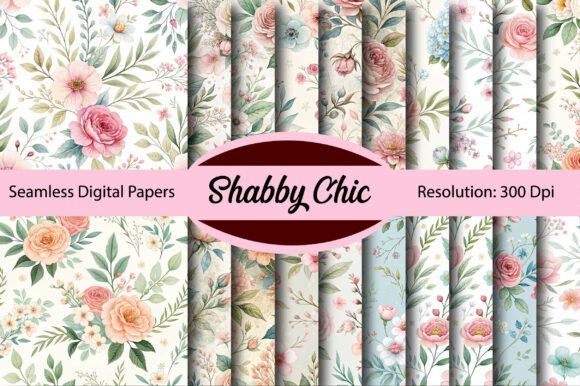
Shabby Chic Pink Rose Digital Paper: A Designer's Guide
There's a particular quality to a well-worn linen tablecloth or the faded wallpaper in a grandmother's cottage. It’s a feeling of history, softness, and unpretentious beauty. Capturing that essence digitally is the challenge, and it's precisely what a thoughtfully curated Shabby Chic Pink Rose Digital Paper collection achieves. This isn't just a set of pretty patterns; it's a toolkit for injecting a specific, highly sought-after aesthetic into your work. Think of it as your digital fabric stash, filled with the visual equivalents of vintage textiles, watercolor florals, and time-softened botanical prints.
Understanding the Shabby Chic Digital Paper Aesthetic
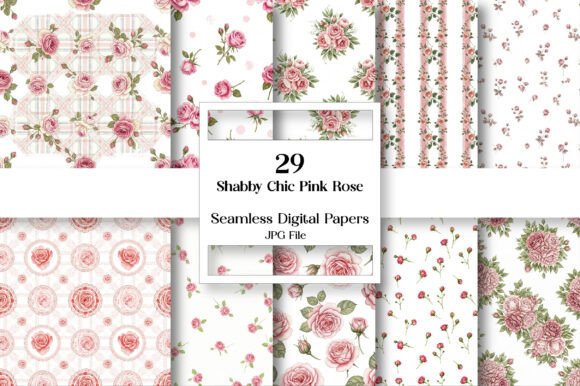
At its core, the shabby chic style is about romanticized imperfection and a soft, lived-in elegance. A bundle centered on Shabby Chic Pink Rose Digital Paper translates this into a cohesive visual language. You’ll find patterns that mimic the gentle repetition of wallpaper, the organic bleed of watercolor, and the intricate detail of pressed flowers. The color palette is intentionally muted—blush pinks, dusty roses, creamy ivories, and sage greens—to create a harmonious, calming effect. This style avoids stark contrasts and sharp lines, favoring instead a softer, more textured approach that feels both nostalgic and fresh.
The versatility of these digital papers is their greatest strength. They serve as exceptional design assets for projects where atmosphere and mood are paramount. For a graphic designer, they can form the foundation of a wedding invitation suite, providing a textured, romantic backdrop that printed fonts can sit upon beautifully. For a crafter using a sublimation printer, they become the surface for a custom tote bag or ceramic mug, turning everyday items into personalized gifts. The key is recognizing that this isn't a background for bold, modern type; it's a complementary element that enhances delicate, elegant typography.
Practical Applications Across Creative Fields
Let's move from theory to practice. How does one actually integrate these patterns into a professional workflow? The answer lies in thinking beyond simple backgrounds.
- Brand Identity & Packaging: For a small business selling handmade soaps, artisanal candles, or boutique clothing, a subtle Shabby Chic Pink Rose Digital Paper pattern can be used as a tissue paper liner, a box interior, or a website background. It instantly communicates a brand story of craftsmanship, care, and vintage charm, shaping brand perception before the product is even touched. Pair it with a clean sans serif font for body text to ensure readability, and perhaps a delicate script font for the logo to complete the look.
- Editorial & Web Design: In publishing, these papers can be used for chapter headings, pull quotes, or as a textured layer behind text in a digital magazine. The effect adds visual hierarchy and depth. On a website, a tiled pattern can create a subtle, immersive environment that doesn’t compete with content but enriches the user experience. The key is using it sparingly to maintain a professional, uncluttered feel.
- Social Media & Marketing Graphics: For bloggers, influencers, and marketers, these assets are a shortcut to creating cohesive, on-brand content. A Shabby Chic Pink Rose Digital Paper can become the background for an Instagram quote, a Pinterest pin, or a promotional graphic. This consistency across platforms aids in brand recognition and audience engagement, as followers begin to associate the soft, floral aesthetic with your content.
- Physical Products & Crafts: This is where the magic truly happens for makers. The high-resolution, 300 DPI files are perfect for print-on-demand products. Imagine a journal cover, a set of planner stickers, or a custom phone case. For crafters, these digital files can be printed for junk journaling, scrapbooking, and DIY projects, effectively becoming an infinite supply of vintage-style paper.
Making Informed Choices for Your Project
Not all digital paper bundles are created equal. When evaluating a Shabby Chic Pink Rose Digital Paper collection, consider its practicality. First, examine the file formats. High-resolution JPGs are standard, but PNG files with transparent elements offer more flexibility for layering. Second, review the variety of patterns within the bundle. A good collection should include both bold, feature patterns and more subtle, textural ones that can be used as design assets without overwhelming a layout.
Third, and most critically, understand the commercial font—or in this case, asset—licensing. If you plan to sell products featuring these papers (on Etsy, at craft fairs, or through a print-on-demand service), you must ensure the license permits commercial use. Reputable sellers will state this clearly. Using assets without proper licensing is a risk to your business and undermines the creative community.
Finally, test the patterns with your intended typeface choices. A flowing handwritten font might look gorgeous against a soft rose pattern, but a heavy display font could clash. The goal is harmony. The digital paper should support your message, not fight with it. By treating these assets as a foundational element of your creative font and design toolkit, you can elevate projects from simple to sophisticated, creating work that feels both personal and professionally polished.