The Quiet Elegance of Thin Hand-lettering Script
There's a particular kind of beauty in restraint. In a design landscape often crowded with bold, attention-grabbing typefaces, a font that whispers can sometimes speak the loudest. Thin Hand-lettering Script is precisely that kind of voice—a premium font that embodies delicacy, joy, and a deeply personal touch. It’s not a font that shouts for your attention; it invites you in with a gentle, confident grace.
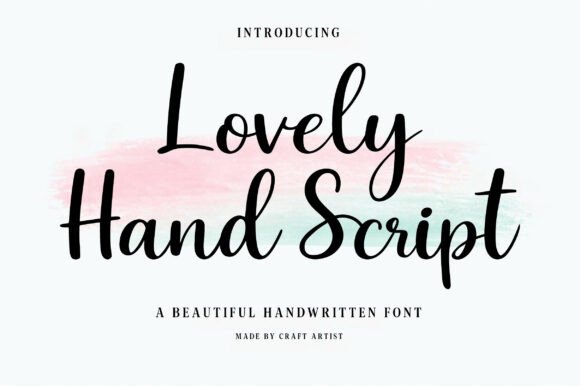
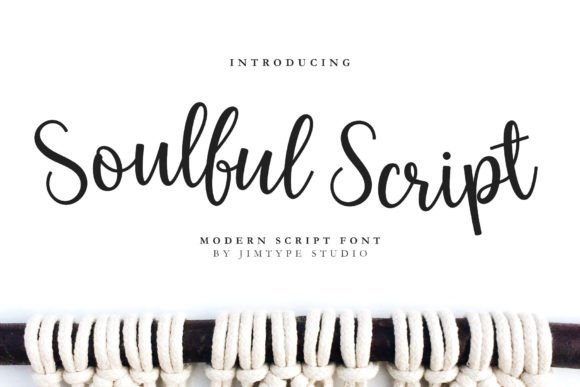
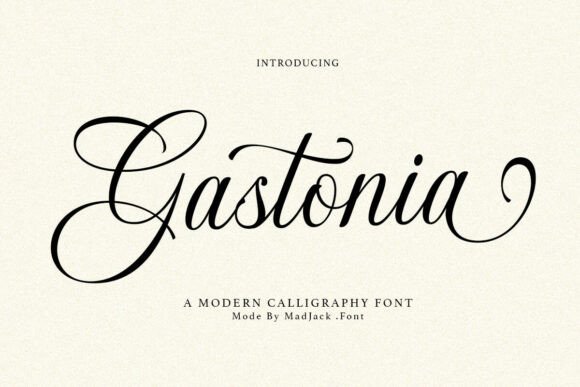
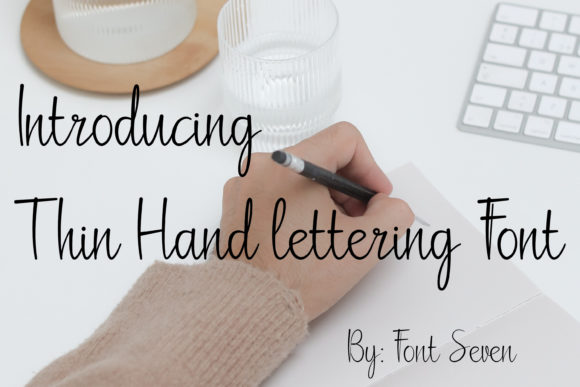
At its core, this is a handwritten font designed with a masterful balance. The letterforms are slender and airy, with a consistent thin stroke that feels both modern and timeless. Each character connects to the next with a natural, flowing rhythm, mimicking the slight imperfections and beautiful cadence of real, human hand-lettering. There’s a daintiness to it, yes, but also a surprising structural integrity. It avoids feeling spindly or fragile, instead projecting a sense of joyful sophistication. Think of it as the typographic equivalent of a perfectly penned note on high-quality stationery.
Where This Script Truly Shines
Understanding a font's personality is one thing; knowing where to deploy it is where the real design work happens. Thin Hand-lettering Script isn't a workhorse for body copy—its delicate nature makes it a specialist, a display font meant for moments of impact and emotion. Its strength lies in applications where a romantic, personalized, or elegant tone is paramount.
In the world of brand identity, it’s a powerful tool for businesses that want to communicate approachability and artisanship. Imagine it gracing the logo design for a boutique florist, a high-end wedding planner, or a specialty chocolatier. It immediately sets a tone of care and personal service. For packaging design, particularly for cosmetics, artisanal foods, or luxury gifts, this script adds a layer of perceived value and craftsmanship that a standard sans serif font simply can't match.
The applications extend beautifully into editorial design and publishing. As a chapter opener or for pull quotes in a lifestyle magazine or cookbook, it adds visual interest and a human element. For web design, use it sparingly but effectively—think hero section headlines, special announcement banners, or elegant call-to-action buttons where you want to guide the user's eye with a touch of class. It translates seamlessly to social media graphics, making quotes, promotional announcements, and story overlays feel more authentic and engaging.
Of course, its most classic application remains in print for personal celebrations. Wedding invitations, save-the-dates, vow books, and thank-you cards are its natural habitat. The font’s inherent romance and delicacy make it an ideal choice for any stationery that needs to feel intimate and special. Similarly, it’s perfect for crafting projects, personalized gifts, and greeting cards where that handmade aesthetic is the goal.
Making It Work: Practical Considerations for Designers and Creators
Choosing a creative font is just the first step. Integrating it effectively into your project requires a thoughtful approach to ensure it enhances, rather than hinders, your message.
Evaluating Project Fit: Ask yourself if your project’s core message aligns with the font’s personality. Is it meant to feel romantic, personal, delicate, or joyful? If you’re designing a technical manual or a corporate report, this is not your typeface. If you’re creating a wedding website or a bakery’s branding, it’s a perfect candidate.
The Art of Font Pairing: A script font, especially one as delicate as this, rarely works well alone in a larger layout. The key is contrast. Pair it with a clean, stable serif font or a modern sans serif font for body text. The script handles the emotive headlines and accents, while the simpler typeface ensures readability for longer passages. This creates a clear visual hierarchy and maintains professionalism. For example, pairing Thin Hand-lettering Script with a geometric sans serif like Montserrat or a classic serif like Garamond creates a beautiful, balanced dialogue between personality and clarity.
Readability is Non-Negotiable: Even the most beautiful font fails if it can’t be read. Because of its thin strokes and connected letters, this script demands careful attention to size and color contrast. It will lose its definition at very small sizes or when placed against a low-contrast background. Always test it at the intended size, on the intended medium (screen or print), to ensure every letter is discernible. Avoid using it for entire sentences of crucial information.
Leveraging Included Styles: A quality commercial font often comes with more than just the basic alphabet. Check if Thin Hand-lettering Script includes stylistic alternates, swashes, or ligatures. These extra characters are gold for customizing your text, allowing you to create unique letter combinations that avoid repetition and add even more of that authentic, hand-lettered feel to your design assets.
Licensing for Peace of Mind: For any project that goes beyond personal use—a client’s logo, a product you sell, a website for your business—you need a commercial license. Reputable font foundries and marketplaces make this clear. Ensuring you have the correct license is a fundamental part of professional practice, protecting both you and the font’s creator. It’s a small step that underscores the professionalism of your work.
A Final Thought on Intentional Design
In the end, selecting a typeface like Thin Hand-lettering Script is a choice about the feeling you want to evoke. It’s a tool for adding a layer of human connection and emotional resonance to your work. Used thoughtfully, with an eye for pairing, readability, and context, it doesn’t just decorate a design—it helps tell a story. It moves a piece of communication from being merely informational to being genuinely experiential, creating a moment of beauty and recognition for your audience. That’s the real power of a well-chosen, well-implemented script font.