Unleash Nostalgic Creativity with the Vintage Ephemera Junk Journal Kit
More Than Just Paper: A Curated Design Asset
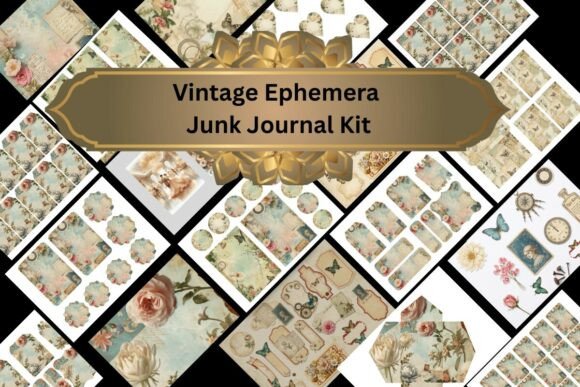
For designers, crafters, and content creators, finding the right visual texture is often the missing piece. The Vintage Ephemera Junk Journal Kit is not just a collection of images; it's a comprehensive set of design assets built to inject instant character and history into your work. This extensive kit contains 66 pages of meticulously organized elements, moving beyond standard clipart to offer a cohesive aesthetic. Think of it as a premium font equivalent for your visual layout—something that provides depth and personality. The collection features fussy cut Victorian portraits, delicate florals, antique letters, and decorative tags, all rendered with a distinct, weathered charm that digital-only files often lack.
The visual style is rooted in the Victorian and Edwardian eras, characterized by intricate botanical illustrations, sepia-toned portraits, and ornate typography. This personality is both romantic and slightly worn, offering an authentic sense of age. Unlike overly saturated modern graphics, these elements possess a muted, sophisticated palette. This makes them incredibly versatile. They don’t scream for attention; instead, they build atmosphere. For a brand strategist or marketer, this aesthetic can be powerful. It communicates tradition, authenticity, and a story worth telling. It’s the visual equivalent of a serif font—trustworthy, elegant, and full of history. The kit’s personality is gentle yet complex, providing layers of visual interest that can elevate a simple project into a curated experience.
Strategic Applications: From Brand Identity to Editorial Design
Understanding where these assets work best is key to maximizing their value. While the name suggests junk journals, the applications extend far into professional design and branding. Consider packaging design for artisanal goods. A tea company, a vintage clothing boutique, or a handmade soap business could use these elements to create labels and tissue paper that feel authentic and high-end. The textures pair beautifully with a classic serif font for headers and a clean sans serif font for body text, creating a balanced visual hierarchy.
In editorial design and publishing, these pages are gold. A blogger or publisher creating a digital magazine or a printable planner can use the large journal cards as section dividers or quote backgrounds. The fussy cut flowers and butterflies serve as perfect accent points in social media graphics, especially for platforms like Pinterest where aesthetic cohesion drives engagement. For web design, these elements can be used sparingly to break up text-heavy pages, perhaps as a subtle background texture or an illustrated sidebar. They add a human touch that counters the sterility of modern flat design.
- Logo Design & Brand Identity: Use a single Victorian portrait or a detailed floral element as part of a monogram or emblem. This works exceptionally well for brands wanting to convey heritage or luxury.
- Handmade Cards & Invitations: The creative font style of the ephemera makes it ideal for wedding suites, especially for themes like vintage garden or rustic romance.
- Mixed Media & Decoupage: The high-resolution (300 DPI) files are perfect for physical projects. Resize them for trinket boxes, furniture upcycling, or canvas art.
Integrating Vintage Assets with Modern Typography
The real magic happens when you combine the Vintage Ephemera Junk Journal Kit with thoughtful typography. A common pitfall is pairing vintage imagery with overly modern, geometric fonts, which can create visual dissonance. Instead, consider font pairing that bridges the old and new. A delicate script font or a handwritten font can mimic the personal touch of the antique letters in the kit. For contrast and readability, pair this with a sturdy, modern sans serif font. This creates a dynamic tension that feels fresh yet nostalgic.
From a brand perception standpoint, using these assets consistently can significantly boost recognition. If a content creator uses a specific floral frame from the kit as a recurring motif in their Instagram stories, it becomes part of their visual language. This consistency builds professionalism. It tells the audience that care has been taken, which enhances trust. The kit’s clean backgrounds are a practical advantage here. They allow for easy isolation of elements, meaning you can layer them over photos or text without messy borders, ensuring your visual hierarchy remains clear and your message readable.
Practical Guidance for Selection and Use
Before diving in, take a moment to evaluate the fit for your specific project. The kit is provided in both A4 and US Letter sizes in JPG and PDF formats, ensuring compatibility with most printers and design software like Adobe Photoshop, Illustrator, or Canva. The 300 DPI resolution is standard for print, guaranteeing that details remain crisp even when resized. However, always test a small section first. If you’re creating a web design element, you may need to optimize the file size without losing the essential character of the illustration.
When choosing which elements to use, think about your project’s core message. The Victorian portraits are strong focal points, ideal for a logo design concept or a book cover. The smaller elements—tags, hearts, and butterflies—are better suited as supporting actors in a layout, guiding the eye or filling negative space. For commercial use, always check the licensing terms to ensure they cover your intended application, whether it’s for client work, print-on-demand products, or personal use. This commercial font—or in this case, asset kit—ethos is crucial for professional work.
Ultimately, the Vintage Ephemera Junk Journal Kit is a versatile toolkit for anyone looking to add a layer of historical elegance to their digital or physical creations. It’s a bridge between the tactile world of paper craft and the precision of digital design. By thoughtfully integrating these elements with complementary typography and a clear design strategy, you can create work that feels both timeless and deeply personal. It’s not about making something look old; it’s about using the visual language of the past to tell a new story.