Watercolor Flowers and Floral Alphabet: A Creative Toolkit
There’s a certain warmth that only hand-painted elements can bring to a design project. The Watercolor Flowers and Floral Alphabet collection captures that organic, artistic feel perfectly. It’s not just a set of clipart; it’s a comprehensive design system built around a specific aesthetic: soft blush tones, rich burgundy accents, and the timeless elegance of black and gold monograms. This combination creates a visual personality that is simultaneously romantic, sophisticated, and versatile. The watercolor texture adds a layer of authenticity and craft, making digital designs feel personal and tactile.
Visual Style and Core Components
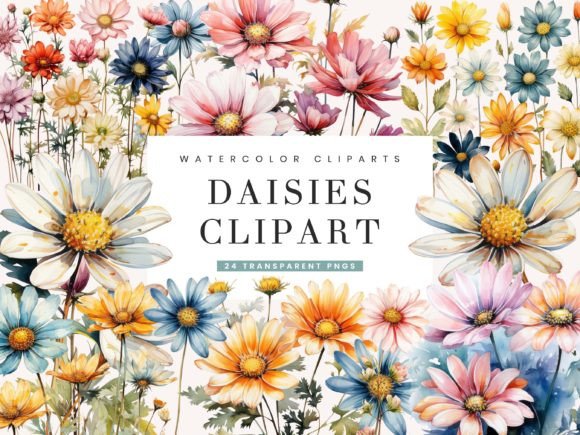
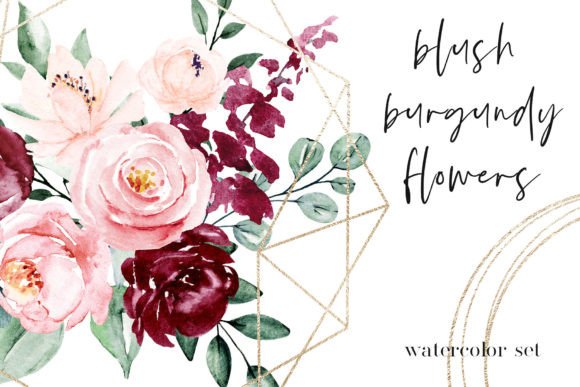
The heart of this set lies in its dual nature. On one side, you have the vibrant, hand-painted floral elements. These aren’t sterile, vector-perfect flowers. They carry the subtle imperfections and color bleeds of real watercolor, giving them life. The palette is carefully curated—the blush and burgundy roses, peonies, and greenery work together harmoniously, allowing for both soft, romantic designs and more dramatic, statement pieces.
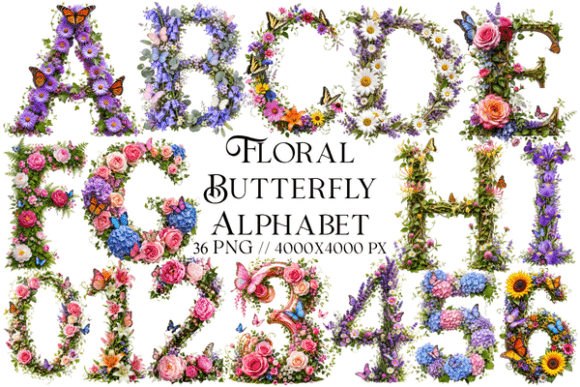
On the other side is the Floral Alphabet. This isn't a traditional typeface you install; it's a collection of individual letter and number illustrations. Rendered in black and gold, they provide a stunning contrast to the soft florals. This combination is ideal for creating custom monograms, initials, or standout headings. The gold effect adds a touch of luxury without being overbearing, making it suitable for both personal projects and premium brand applications.
What’s Inside the 155-Item Package
Understanding the file structure is key to using this collection effectively. It’s organized to give you maximum flexibility:
- Individual Elements: 23 PNGs with transparent backgrounds. These are your building blocks—single blooms, leaves, and sprigs. At around 2500x3000 pixels, they’re high-resolution enough for print.
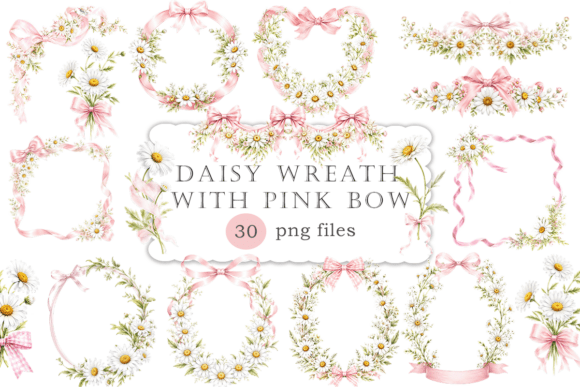
- Compositions & Bouquets: 9 bouquets, 3 camera-themed compositions, and 4 wreaths. These larger PNGs (approx. 5000x6000 px) are ready-made focal points for invitations or posters.
- Patterns & Backgrounds: 7 seamless patterns in both PNG and JPEG formats, plus 6 greeting card backgrounds. The variety here is excellent for creating cohesive stationery sets or website backgrounds.
This structure means you can start from scratch with individual elements or use pre-composed pieces to save time. The transparent backgrounds are crucial for layering, allowing you to place flowers over text, photos, or colored backgrounds seamlessly.
Practical Applications: From Wedding Invites to Brand Identities
The true value of a design asset like the Watercolor Flowers and Floral Alphabet is measured by its utility. Where does it actually work best? Let’s break it down by project type.
Event Stationery and Personal Projects
This is perhaps the most natural fit. The romantic, hand-crafted feel is perfect for wedding invitations, save-the-dates, and thank you cards. The blush and burgundy palette is a classic choice for nuptials. Beyond weddings, consider baby shower invitations, birthday party flyers, or elegant graduation announcements. The floral alphabet allows you to create a personalized monogram for the couple or guest of honor, tying the entire suite together with a custom, luxurious touch.
Branding and Commercial Design
For businesses in the lifestyle, beauty, floral, or boutique sectors, this collection can become a cornerstone of their brand identity. Imagine a florist’s logo using a monogram from the floral alphabet, paired with a clean sans serif font. The watercolor elements could then extend to their packaging, business cards, and social media graphics, creating a consistent and recognizable aesthetic. It’s a way to achieve a high-end, artisanal look without commissioning custom illustration for every single asset.
Digital and Editorial Use
In the digital space, these elements shine as social media graphics, blog headers, and website banners. They break the monotony of stock photography and generic icons. For a design blog or a publisher focusing on creative content, using these watercolor elements in article featured images or as decorative borders can significantly increase visual appeal and reader engagement. The patterns are particularly useful for creating subtle, textured backgrounds for web design or digital magazine layouts.
Making It Work: Integration and Best Practices
Having the assets is one thing; using them effectively is another. Here’s how to ensure your projects look polished, not cluttered.
Font Pairing and Readability
The floral alphabet is a display font—meant for impact, not body copy. Use it for short headlines, monograms, or initials. For longer text, pair it with a highly readable serif font (for a classic, editorial feel) or a clean modern sans serif font. This contrast creates a clear visual hierarchy. Always test your combinations. A delicate script might pair well with the florals, but a heavy handwritten font could compete for attention. The goal is harmony, not a fight for dominance.
Evaluating Project Fit and Licensing
Before diving in, assess if the watercolor style aligns with your project’s tone. It’s ideal for projects that value warmth, creativity, and a personal touch. It might be less suitable for a corporate law firm’s annual report or a tech startup’s minimalist app interface.
Crucially, understand the licensing. This is a commercial font and clipart set. The license typically allows for use in end products for sale (like printed invitations or merchandise) and for client work, but always read the specific terms. Know if the license covers the number of users, projects, or if there are restrictions on certain types of use (like print-on-demand sites). This due diligence protects you and your clients.
Composition and Color
Don’t just plop elements down. Use them to create flow and guide the viewer’s eye. A wreath can frame a title, a bouquet can anchor a corner, and scattered petals can add subtle texture. When using the black and gold alphabet with the florals, ensure there’s enough contrast. Place gold letters on darker floral backgrounds or use black letters on lighter, blush-toned areas. The transparency of the PNGs allows you to adjust opacity or blend modes in your design software for even more integrated looks.
The Watercolor Flowers and Floral Alphabet